

Famous figures and food
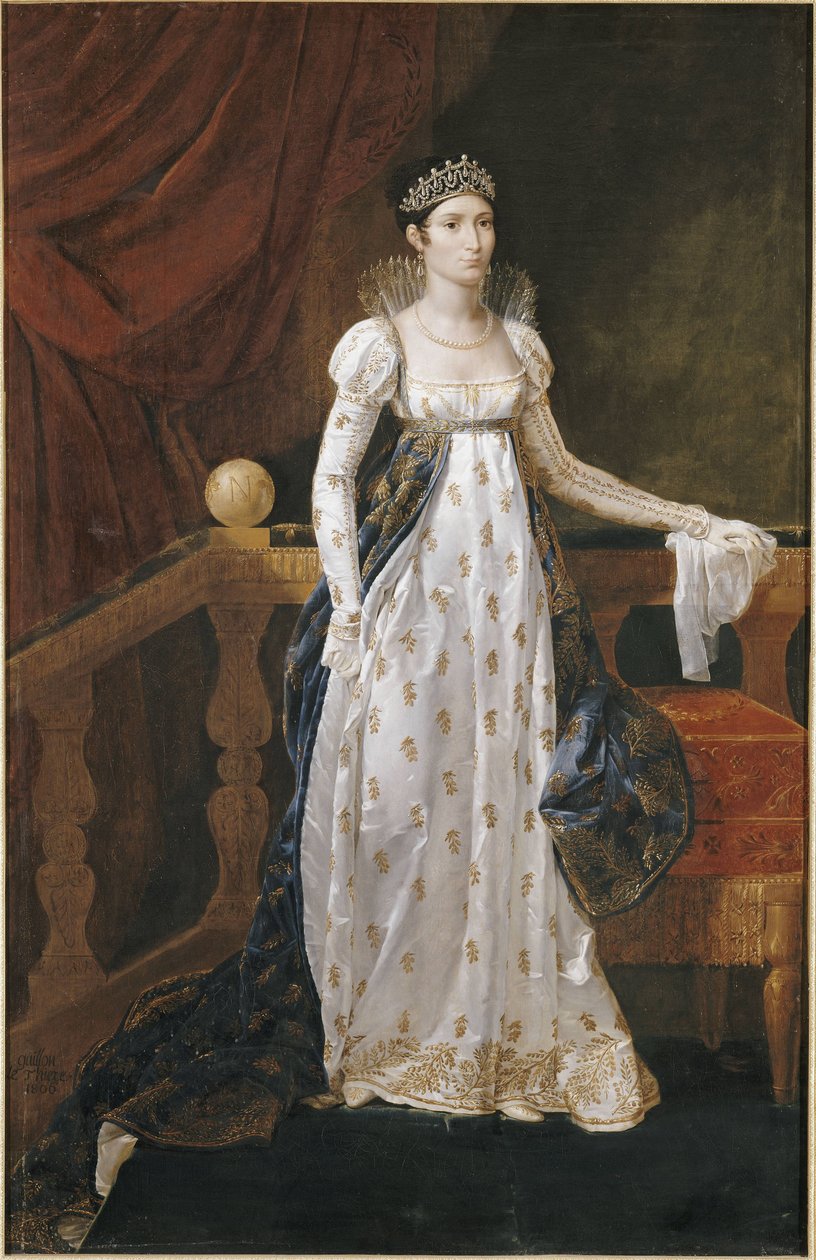
Lucca is not only about art and history: it is also a land where cuisine tells the story of its most illustrious figures. In this article, we explore the connection between famous figures and food in Lucca, focusing on two symbolic personalities from the past: the Guinigi family, among the most powerful families in the city during the Middle Ages, and Elisa Bonaparte, Napoleon’s sister and a key figure of the Napoleonic era in Lucca.
Through anecdotes, customs, and gastronomic curiosities, we discover how their lifestyle and choices at the table left a mark on the territory and on the culinary tradition that still inspires restaurants such as Miglio50 today.
The Guinigi family
The Guinigi family was one of the most influential and powerful families in Lucca during the medieval and Renaissance periods, leaving an indelible mark on the city’s history through their political, cultural, and social achievements. Famous for their residence in the Guinigi Tower, one of the few medieval towers in Lucca still standing today, the Guinigi family not only dominated the local political landscape but also turned their home into a center of cultural life and representation.
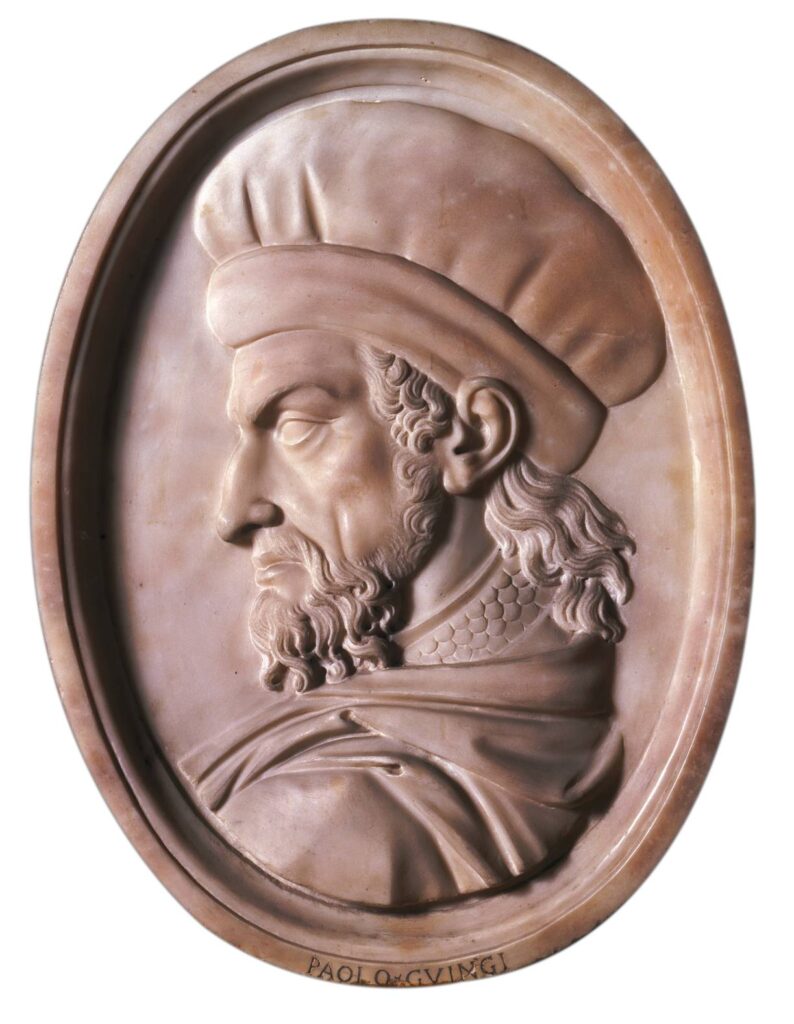
The banquets organized by the Guinigi family represented a highlight of their social and political life. These events were not simple dinners, but true displays of power and prestige, aimed at strengthening political alliances, reinforcing the family’s status, and entertaining high-ranking guests from across Italy and beyond.
I banchetti si tenevano di solito nei grandi saloni della Torre Guinigi, con le loro alte mura di pietra e le finestre che offrivano una vista panoramica sulla città di Lucca e sulle colline circostanti. L’atmosfera all’interno era sontuosa, arricchita da arredi preziosi, tappezzerie ricamate e opere d’arte che decoravano le pareti.
The table was set with the delicacies of Lucchese and Tuscan cuisine, prepared with fresh, high-quality ingredients. The dishes served included noble meats such as wild boar and pigeon, and alongside the meats there were always seasonal vegetables, fresh salads, and homemade bread, all accompanied by fine wines from the surrounding hills.
One of the signature dishes of the Guinigi banquets was “zuppa di farro,” a rustic soup made with spelt grown in the Lucchese countryside, enriched with fresh vegetables, aromatic herbs, and often seasoned with local extra virgin olive oil.
The legacy of the Guinigi family is still visible today in Lucca through the Guinigi Tower and other monuments that testify to their historical influence. Their banquets, symbols of luxury and power, continue to be remembered as examples of aristocratic life and Renaissance culture, contributing to the legend and fascination of Lucca’s medieval history.
Elisa Bonaparte Baciocchi
Elisa Bonaparte Baciocchi, sister of Napoleon Bonaparte, left a significant mark on the history of Lucca and Tuscany during her reign as Princess of Lucca and Piombino from 1805 to 1814. Beyond her political and administrative role, Elisa was also known for il suo interesse per la gastronomia e per aver introdotto influenze culinarie francesi nella cucina lucchese dell’epoca.
Born in Ajaccio in 1777, Elisa married Felice Baciocchi in 1797 and became Princess of Lucca and Piombino in 1805, thanks to the support of her brother Napoleon. During her reign, Elisa not only governed with determination but also distinguished herself through her commitment to improving the region’s infrastructure, economy, and culture.
Princess Elisa was known for her refinement and her taste for fine food. It is said that she enriched the Lucchese table with sophisticated and refined dishes, often prepared according to the culinary traditions of Napoleonic France.
Among the recipes associated with Elisa Bonaparte Baciocchi, one of the most famous is “chicken Marengo.” This dish takes its name from the Battle of Marengo in 1800, which marked Napoleon’s victory. Legend has it that Napoleon, returning hungry, asked his cook to improvise a dish using the ingredients available: chicken, mushrooms, tomatoes, and eggs. The dish later became popular in France and was also introduced to Lucca.
It is said that Elisa promoted the use of refined ingredients and the preparation of elaborate dishes, such as shellfish soups, French-style risottos, and desserts rich in chocolate and fresh fruit. Her taste for refined cuisine reflected not only her status as a princess, but also her desire to promote a high cuisine aligned with the standards of European nobility of the time.
Elisa Bonaparte Baciocchi’s contribution to Lucchese gastronomy was not limited to her own table, but had a broader impact on the culinary culture of the region. The introduction of new recipes, preparation techniques, and refined ingredients helped enrich the local gastronomic tradition, also influencing the eating habits of Lucca’s noble and aristocratic classes.
Comments are closed.